TL;DR:
- Act immediately by shutting off the water supply to prevent further damage during a plumbing emergency.
- Verify credentials, obtain transparent quotes, and document damage before hiring a trustworthy, vetted plumber in London.
In a plumbing emergency, turn off the water at the stopcock, switch off electrics near any leak, move valuables out of the way and call an emergency plumber. This guide shows you how to judge how serious the problem is, protect your London property before help arrives, choose a trustworthy emergency plumber and what to ask about costs before work starts.
Key takeaways
| Point | Details |
|---|---|
| Act immediately | Shut off your water supply at the first sign of a major leak to limit structural damage. |
| Vet before you hire | Verify Gas Safe registration, public liability insurance, and transparent pricing before any work begins. |
| Know the costs | Confirm the call-out fee and hourly rate in writing before work starts. |
| Document everything | Photograph all damage before repairs start to protect your insurance claim and prevent disputes. |
| Prevention reduces risk | Annual boiler servicing and routine inspections significantly reduce the likelihood of winter emergencies. |
How to identify a plumbing emergency
Not every dripping tap demands an urgent call-out. Knowing what counts as a genuine emergency saves you money and helps you prioritise correctly when something does go seriously wrong.
True emergencies are situations where delay causes escalating damage, poses a health risk, or renders a property uninhabitable. These include:
- Burst pipes releasing significant volumes of water into walls, ceilings, or floors
- Severe internal leaks coming through light fittings or causing visible ceiling sag
- Blocked drains or toilets causing overflow, particularly in properties with a single bathroom
- Suspected gas leaks, which require immediate evacuation and a call to the National Gas Emergency line (0800 111 999) before any plumber is contacted
- Total loss of hot water or heating during cold weather, which is a legal concern for landlords with vulnerable tenants
- Sewage backing up into the property, presenting a direct hygiene and health hazard
By contrast, a slow-draining sink, a minor dripping tap, or a slightly low boiler pressure reading can typically wait for a standard appointment. Treating non-urgent issues as emergencies is one of the most common ways London property owners run up unnecessary costs with after hours plumber London call-out rates.
The signs that a situation is escalating and requires urgent intervention include water spreading rapidly across flooring, discolouration on ceilings expanding in real time, the smell of gas, or audible pipe vibration and banging that suggests pressure build-up.
Pro Tip: If you are unsure whether your issue constitutes an emergency, turn off the water supply as a precaution. This costs nothing and prevents the situation from worsening while you assess further.
What to do before the plumber arrives
The window between a plumbing crisis starting and a tradesperson arriving is when the most preventable damage occurs. Your actions in this period matter enormously.
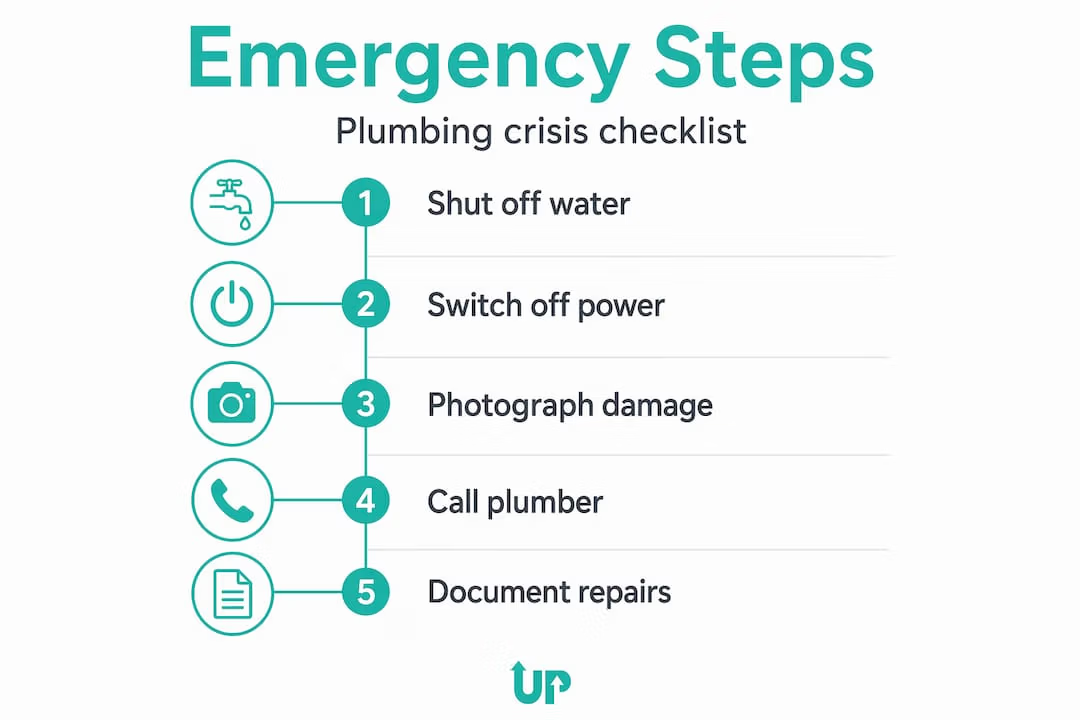
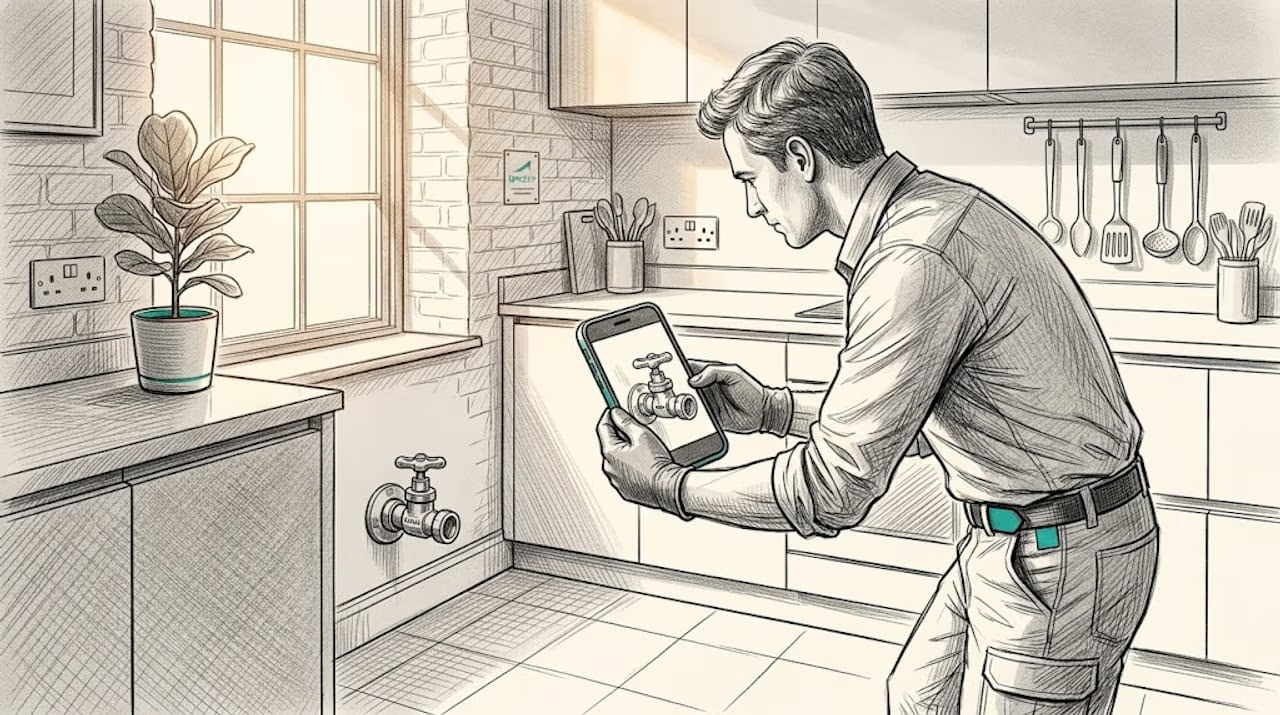
- Shut off the main water supply. Turning off your stopcock is the single most effective step for burst pipes and major leaks. In most London properties, the stopcock is located under the kitchen sink or near the front door. Know its location before an emergency happens.
- Turn off the gas supply if a gas leak is suspected. Do not attempt any repairs. Open windows, leave the property, and call the National Gas Emergency line immediately. A Gas Safe registered engineer must handle all subsequent work.
- Switch off the electricity at the consumer unit if water is entering near sockets, ceiling roses, or lighting circuits. Water and live electrics are an extremely dangerous combination.
- Contain and catch where possible. Use buckets, towels, and washing-up bowls to slow the spread of water. This protects flooring, furniture, and the ceilings of properties below yours.
- Document the damage with photographs and video. Photo evidence before repairs prevents disputes with insurers and provides your plumber with useful context before they arrive. Capture the source, the affected areas, and any visible structural impact.
- Alert your neighbours or the building management if you live in a flat, as leaks frequently travel through shared structures and affect adjacent or lower-floor properties.
“The worst outcomes we see in water damage cases are almost always in properties where the occupant did not know where the stopcock was, or waited too long to isolate the supply. Two minutes of preparation can save tens of thousands of pounds.”
Pro Tip: Photograph your stopcock location and store it in your phone now, before any emergency. Share it with tenants at the start of every tenancy.
Once you have taken these steps, you are in a far stronger position when the emergency plumbing repairs professional arrives.
Choosing a trustworthy emergency plumber in London
This is where many property owners make costly mistakes. The urgency of a plumbing crisis creates pressure to hire whoever answers the phone first, and that is exactly what less reputable operators rely on. The London emergency plumber market is competitive, and some providers offer quick temporary fixes rather than addressing root causes, leading to repeated call-outs and escalating bills.
Here is what to look for and verify before authorising any work:
- 24/7 availability with a confirmed response time. A reliable 24 hour plumber London should be able to confirm an estimated arrival window when you call. A quick response plumber London service can typically reach most areas within an hour, depending on traffic and demand.
- Gas Safe registration. If your emergency involves a boiler, gas pipe, or any gas appliance, the engineer must be on the Gas Safe Register. You can verify this at gassaferegister.co.uk before they begin.
- Valid public liability insurance. Any reputable plumbing company working on your property should carry this as standard. Ask for the certificate number if you have any doubt.
- Transparent, upfront pricing. Reputable plumbing companies London-wide will provide a fixed quote or a clear breakdown of call-out fees and hourly rates before starting. Avoid anyone who refuses to confirm costs in advance.
- Verifiable reviews and references. Check Google, Checkatrade, or Trustpilot for consistent feedback. A pattern of positive reviews over time is far more reliable than a handful of five-star ratings with no detail.
Red flags to watch for
| Warning sign | What it likely means |
|---|---|
| No written quote before work starts | High risk of inflated final invoice |
| Cash only with no receipt | Unregistered trader, no comeback if work fails |
| Reluctance to show credentials | May not hold Gas Safe or insurance |
| Vague diagnosis without inspection | Quick fix mentality, not genuine repair |
| Unsolicited door-knocking during emergencies | Common tactic of cowboy traders |
Vetting tradespeople thoroughly before hiring is the most effective safeguard against being overcharged or receiving substandard work, and it protects far more than your budget.
Pro Tip: Save the contact details of a vetted, trusted emergency plumber before you ever need one. Having a reliable number to hand eliminates the panic of searching during a crisis and removes the pressure to hire whoever is available.
You can also review maintenance red flags to watch for in any contractor relationship, which is particularly useful for landlords managing multiple properties.
What emergency plumbing costs in London
Cost transparency is one of the clearest markers of a trustworthy service. Understanding the pricing structure before you call means you are never caught off guard by the final bill.
Ask every provider for the call-out fee, hourly labour rate, any minimum charge and parts markup in writing, for standard and out-of-hours work, before you agree to a visit.
Emergency call-out fees vary by provider and rise for after-hours, weekend and bank holiday call-outs, with labour charged on top. Ask for the full charging structure before you agree to a visit.
Several factors push costs upward:
- Time of day. Calls placed between 10 pm and 7 am carry premium rates with most providers.
- Complexity of access. Properties with concealed pipework, shared risers in blocks of flats, or limited access points require more time and specialist tools.
- Parts availability. If a specialist component needs sourcing overnight, expect to pay a premium on parts as well as the labour to fit them.
- Multiple visits from poor initial repairs. Unreliable emergency plumbers who provide quick fixes rather than root-cause repairs often leave landlords facing repeated call-out costs within weeks.
Always ask for a written quote or job authorisation before any work begins. Reputable providers of urgent plumbing services London-wide will have no hesitation in confirming costs upfront.
Preventing future plumbing emergencies
Reactive maintenance will always be part of managing London property, but many of the most disruptive and costly plumbing emergencies are entirely preventable with the right habits in place.
Annual boiler servicing is the single most overlooked preventive measure. Engineers book up quickly during winter emergencies, and undetected faults accumulate throughout the warmer months when boilers sit idle. Scheduling your service in spring or early summer guarantees availability and catches problems before they become crises.
Beyond the boiler, consider these preventive practices:
- Inspect ageing pipework. Older London properties, particularly Victorian terraces and pre-war mansion blocks, often have lead or cast-iron pipes that are prone to corrosion and failure under pressure.
- Insulate exposed pipes in lofts, basements, and outbuildings before October to prevent freezing during cold snaps.
- Install a water leak detector in high-risk areas such as under kitchen sinks, near washing machine connections, and beneath bathrooms.
- Educate tenants to report early signs. A dripping tap reported promptly costs pence to fix. Left for six months, it can indicate a failing washer that causes a flood. Plumbing maintenance tips for landlords cover this topic in practical detail.
- Review your insurance policy annually. Confirm that your buildings and contents cover includes trace and access, which covers the cost of finding a hidden leak, as well as escape of water.
- Maintain a preferred contractor list. Scheduling regular maintenance through a single trusted provider reduces the risk of gaps between trades and creates a clear audit trail for compliance purposes.
Pro Tip: The off-peak season is the best time to schedule annual checks. Routing maintenance to spring and summer secures engineer availability and avoids the winter surge that leaves many London landlords scrambling for reactive repairs.
My honest take on handling London plumbing emergencies
I’ve worked alongside property managers, landlords, and business owners dealing with London plumbing emergencies across all types of buildings, from Victorian conversions in Hackney to commercial units in the City. And the single biggest lesson I’ve drawn from that experience is this: the outcome is almost always determined by preparation, not by luck.
The landlords who cope best in a crisis already know where their stopcocks are, already have a vetted plumber’s number saved in their phone, and have already told their tenants what to report and when. They don’t freeze when something goes wrong. They act.
What I’ve also seen, far too often, is the damage done when people hire the first plumber who answers during a crisis. Trusting reputation over availability is the mark of an experienced property manager. The best emergency plumbers London has to offer are worth the two minutes it takes to verify their credentials before saying yes.
My strongest advice for landlords specifically: build a relationship with a reliable emergency drainage and plumbing service now, while nothing is broken. When you have a trusted provider who knows your properties, you’re not just buying a repair. You’re buying certainty, speed, and protection against the kind of overcharging that exploits panic.
Cowboy traders rely on urgency and anxiety. Take both away with preparation, and you are always in control.
: Montgomery
How Upkeep UK supports London property owners

Upkeep UK provides fully qualified, insured emergency plumbing and reactive maintenance services across all 33 London boroughs, available 24 hours a day, seven days a week. Every engineer is vetted, insured, and Gas Safe registered where required. Pricing is transparent and confirmed before any work begins, with response time guarantees that give landlords and property managers genuine peace of mind.
Whether you manage a single residential property or a portfolio of commercial assets, Upkeep UK’s team is structured to handle London plumbing emergencies with speed and accountability. You can review our full guidance on emergency property repairs London or explore the detailed resource on handling emergency repairs effectively. To speak with a specialist or arrange urgent cover for your properties, contact Upkeep UK directly via the contact page.
FAQ
How much does an emergency plumber cost in London?
Emergency call-out fees depend on the time of day and the provider, with labour and parts charged on top, so always ask for a written quote before authorising work.
How quickly can an emergency plumber arrive in London?
A reputable 24 hour plumber London service can typically arrive within one hour, depending on your borough and demand at the time. Response times are longer during peak periods such as winter cold snaps, which is why having a pre-vetted provider matters.
What should I do while waiting for an emergency plumber?
Shut off your main water supply immediately, switch off electricity near any water ingress, photograph all visible damage, and contain the spread with towels and buckets. Do not attempt to repair burst pipes yourself, as incorrect intervention can worsen the damage significantly.
How do I know if an emergency plumber is trustworthy?
Verify Gas Safe registration for any gas-related work, confirm public liability insurance, and request an upfront written quote. Check Google or Checkatrade reviews for consistent, detailed feedback, and avoid anyone who insists on cash-only payment with no receipt.
Do landlords have a legal duty to arrange emergency plumbing repairs?
Yes. Under the Landlord and Tenant Act 1985, landlords in England and Wales are responsible for maintaining the structure and exterior of a property, including water supply and drainage. Failure to address a genuine plumbing emergency in a reasonable timeframe can constitute a breach of this duty.