






Renovating vs Refurbishing: What’s the Best Option for Your London Property?
What Is Refurbishment?
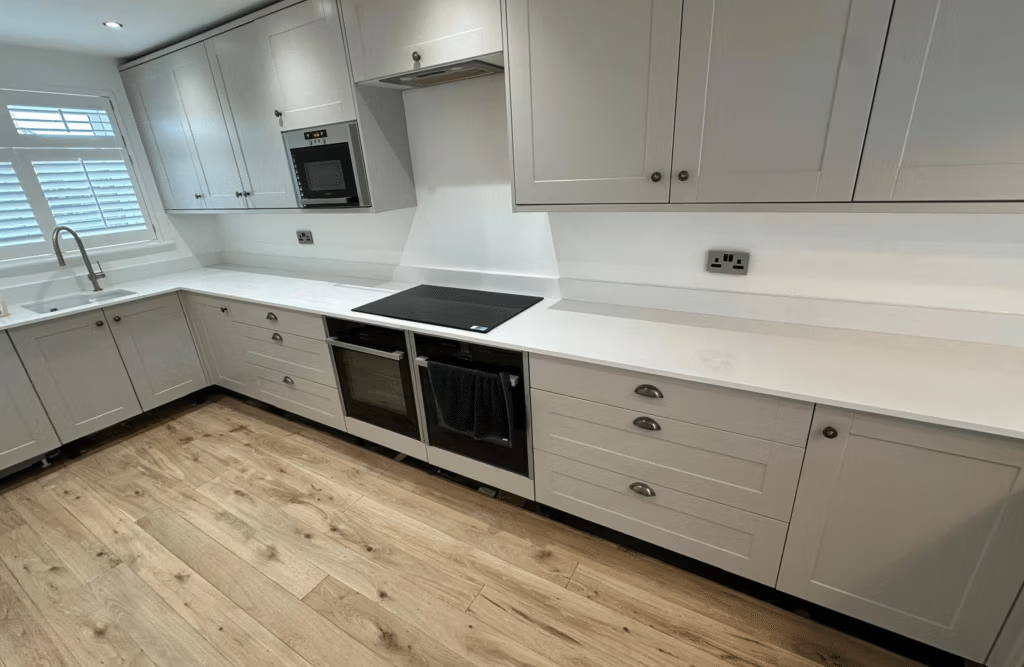
Refurbishment focuses on cosmetic updates to refresh your space without changing the building’s structure. This includes painting, replacing flooring, updating kitchens or bathrooms, improving lighting, adding storage, and minor repairs. It’s quicker, less costly, and ideal for those wanting to enhance their home or rental with minimal disruption.
What Is Renovation?
Renovation involves deeper structural or functional changes, transforming an old house into a modern home. This can include moving walls, building extensions, updating plumbing or electrical systems, fixing structural issues, and modernising period features. Renovations require careful planning, a larger budget, and the need to hire professional help such as architects and contractors. Tracking costs and learning from past mistakes can ensure a smoother process and add significant property value.
Assessing Your Old House
Before renovating, thoroughly assess your property’s condition. Understanding how the house was originally built is crucial, as it reveals the structural integrity and foundational elements that will impact your renovation plans. Check the structure, natural light, and period features. Identify issues like faulty wiring or dampness early to avoid surprises and budget accordingly. Protect valuable features and plan to highlight them in your renovation.
Planning Your House Renovation
Starting a house renovation in London? You’ll want to nail down a solid plan first. Begin by figuring out what you’re really after with this renovation project—maybe you’re looking to modernise that old Victorian terrace, let in more natural light, or carve out extra space for the kids who seem to grow overnight. Here’s what works: make a list of your absolute must-haves, like updating those gorgeous period features or finally opening up that cramped kitchen. Then separate those from your nice-to-haves. Trust me, this’ll keep you focused and stop your budget from going completely off the rails.
Next up, you’ll need to set a realistic budget—and I mean realistic. Think about how much you can actually afford to spend and what matters most to you. Don’t forget to factor in materials, labour, and those sneaky unexpected costs that always seem to pop up. Your timeline’s just as crucial. When d’you want this wrapped up? How long will each phase actually take? If you’re tackling a renovation on one of those busy London streets, you’ve got building regs to consider, access headaches, and let’s be honest—keeping the neighbours happy. Plan it right from the start, and you’ll manage your spending better, dodge those costly mistakes, and actually get the results you’re dreaming of.
Design and Layout Considerations
Plan your renovation with how you use each room and family flow in mind. Maximise natural light and consider furniture placement. Incorporate period features like fireplaces to blend character with modern comfort. A well-thought-out layout creates a spacious, functional home suited to your lifestyle.
Maximizing Natural Light
Want to completely transform your home during a renovation? Bringing more natural light into your house is honestly one of the smartest moves you can make. I’ve seen it work wonders—start by thinking bigger windows or adding skylights, and you’ll be amazed how these changes can absolutely flood a room with light. Even the tiniest spaces suddenly feel open and airy. Here’s a tip from years of experience: mirrors and reflective surfaces are your best friends for bouncing light around those stubborn dark corners, creating that sense of spaciousness we’re all after.
Now, here’s what really matters—think about how light actually moves through your house. I can’t tell you how many times I’ve seen homeowners miss this. Removing walls that aren’t pulling their weight or choosing glass partitions instead? That’s how you get natural light flowing freely, especially in high-traffic areas like your living room or kitchen. Take bedrooms, for instance—I always tell clients that installing a bigger window or skylight doesn’t just brighten the space, it makes it feel genuinely more relaxing and inviting. And here’s the thing: prioritising natural light isn’t just about making your home look better (though it definitely does that). It’s about your wellbeing too, making your renovated space an absolute joy to live in.
Preserving Period Features
Preserving original period features adds unique charm and value. Work with skilled contractors to restore elements like stained glass windows and timber floors. Though it may cost more and take extra time, maintaining these features creates a beautiful blend of historic character and modern living.
Contact Our expert team
Request Your Free Project Quote
From urgent repairs to full property transformations – UpKeep UK provides trusted maintenance, renovation, and facilities management solutions for landlords, estate agents, offices, and more.
Renovation vs Refurbishment: Which Adds More Value?
When it comes to adding value, both refurbishment and renovation have their place, but they serve different purposes depending on your goals.
Refurbishment is excellent for achieving a quick return on investment. By updating the interior, improving lighting, and repairing worn elements, you can make a property more attractive to potential tenants or buyers. This approach helps reduce void periods and increases rental income with relatively low upfront costs. However, it’s important to consider the prices of materials and labour to ensure you stay within budget and avoid unexpected expenses.
On the other hand, renovation projects usually deliver higher long-term value. For example, adding a loft conversion, building an extension, or creating an open-plan kitchen and living area can boost a property’s price by 15–25%, according to estate agent data. Understanding current market prices is crucial when estimating the potential return on these investments. These improvements not only increase usable floor space but also enhance the home’s appeal and functionality, making it more desirable in the London market. Keep in mind that significant time and resources are often spent on renovation projects, so careful planning is essential to avoid regret over costly or irreversible decisions. Before starting major renovation projects, it is also important to secure a suitable mortgage to ensure you have the right financing in place and maintain financial stability throughout the process.
Many property owners adopt a hybrid strategy, starting with refurbishment to improve the space quickly and then planning a more extensive renovation project later to maximise value.
Key Factors to Consider
Deciding whether to renovate or refurbish your London property depends on several important factors:
Budget: How much money are you willing and able to spend? Refurbishment projects tend to be more affordable, while renovations require a larger investment. It’s important to set clear budgets, create a contingency fund, and discuss budgets and spending priorities with your partner if applicable to ensure you are both aligned and avoid financial surprises.
Timescale: Do you need the work completed quickly, perhaps to prepare for new tenants or a sale? Refurbishment can often be done in weeks, whereas renovation might take months.
Compliance: Does your property need upgrades to meet safety regulations such as fire, gas, or electrical standards? Sometimes, what starts as refurbishment can evolve into renovation if compliance issues are discovered.
Goals: Are you improving the property for your own family’s lifestyle, aiming for higher rental yields, or planning to increase resale value? Your objectives will guide the scope of the project.
Understanding these factors early helps you plan better, set and manage your budgets, track your spending, and avoid costly mistakes that can cause delays or regrets.
Handling Unexpected Issues
You know how it goes with house renovations, don’t you? No matter how meticulously you’ve planned every detail, old properties have a knack for throwing curveballs your way. Unexpected issues often arise mid-renovation, requiring you to stay flexible and make quick decisions to keep the project on track. Whether you’re dealing with dodgy Victorian plumbing that’s somehow still functioning, discovering load-bearing walls that aren’t actually bearing much load, or uncovering those delightful surprises previous owners thought they’d “fixed” with a bit of filler and paint—being properly prepared isn’t just advisable, it’s absolutely essential for keeping your project from turning into a proper nightmare.
Here’s what I always tell clients: build a robust contingency fund into your budget from day one—we’re talking 20-30% minimum for older properties. You’ll want to work with a contractor who’s seen it all before and won’t panic when they find asbestos where there shouldn’t be any, or when that “minor” crack in the foundation turns out to be anything but minor. Take foundation issues, for instance—once you’ve spotted them, everything else stops until they’re properly sorted. It’s frustrating, yes, but trying to paper over structural problems is like putting a plaster on a broken leg. Stay flexible, trust your contractor’s expertise, and remember that addressing these issues properly now will save you thousands down the line and ensure your renovation actually delivers the results you’re after.
Execution and Completion
So you’ve got your plans sorted—now what? Well, this is where the magic happens and your renovation dreams actually become reality. You’ll need to coordinate everything carefully, working closely with your team to stick to the plan and keep that budget in check. Here’s what works: create a detailed schedule that maps out every single step, from getting your materials sourced to installing those new lights and fixtures. That way, everyone knows exactly what’s expected and when it needs to happen.
You’ll want to check in regularly with your contractor and the whole team—trust me, this catches problems early before they become expensive headaches. Make sure the quality meets your standards every step of the way. As you’re getting close to the finish line, inspect each room thoroughly and sort out any defects or unfinished bits straight away. Don’t overlook your garden either—outdoor lighting and proper landscaping can really extend your living space and bump up your property’s value. Stay organised, be proactive, and you’ll end up with a beautiful, functional home that truly reflects your vision and makes your life better.
Final Touches
Here’s the thing about final touches – they’re what actually turn your building site into somewhere you’d want to come home to every night. It’s all about those details that really matter: your flooring choice, getting the paint just right, and picking fixtures that don’t clash with everything else you’ve worked so hard on. Smart lighting? That’ll set the whole mood in each room. And when you add furniture and textiles that feel right, you’re not just filling space – you’re creating comfort and showing off your personality.
Now, here’s where most people go wrong – they don’t think about how everything works together. Take your living room, for instance. You’ve got to consider how your layout flows with your lighting, and how your colours all play nicely together to create that cozy feeling we’re all after. Don’t hold back on artwork or those little decorative touches that scream “you” either. Trust me, when you pay attention to these details, you’ll end up with a home that doesn’t just look the part – it’ll feel absolutely perfect for you and your family.
London Property Market Considerations
The London property market presents unique challenges and opportunities when it comes to renovating or refurbishing.
In prime London neighbourhoods, major renovations such as loft conversions or extensions are in high demand and tend to deliver strong returns on investment. These projects can create additional bedrooms or living space, which is highly valued in the city’s dense housing environment. London features a wide variety of houses, from Victorian terraces to modern detached homes, and renovation considerations often differ depending on the type of house, as each structure and layout presents unique opportunities and challenges. Properties with private gardens or garden space are especially appealing in London, offering a rare outdoor retreat for homeowners.
For rental properties, quick refurbishments like fresh paint, modern appliances, and improved lighting can significantly increase rent and attract tenants faster. When listing properties, including the street name is important for buyers seeking specific locations within the city. However, landlords must ensure their properties comply with strict London regulations, including Energy Performance Certificates (EPC), fire safety, gas safety, and electrical standards. Meeting these requirements may push a project from simple refurbishment into a more comprehensive renovation.
Additionally, factors like protecting period features in older homes and incorporating natural light through glass extensions or larger windows are important considerations that can influence both the style and cost of your project. Considering different design styles can help appeal to a wider range of buyers or tenants and ensure a cohesive look throughout the property.
Maintenance and Upkeep
So your house renovation’s finally done – what’s next? Well, ongoing maintenance and upkeep aren’t just nice-to-haves; they’re absolutely essential if you want to protect that investment and keep your new home looking its best. Think about it this way: regular cleaning, timely repairs, and swapping out worn materials? That’s how you maintain both the value and comfort of your property. Here’s what I always tell homeowners – factor these ongoing costs into your budget right from the start. Trust me, you’ll thank yourself later when you’re prepared for expenses like floor refinishing, repainting, or those inevitable minor repairs.
Let’s say you’ve installed new hardwood floors (smart choice, by the way). Regular cleaning and the occasional resealing? That’ll keep them looking top-notch for years to come. And don’t forget – there’s more to homeownership than just the pretty stuff. You’ve got utilities, insurance, and property taxes to consider as part of your overall expenses. The bottom line? Take a proactive approach to maintenance, and you’ll ensure your renovated home stays a source of pride and enjoyment for your family well into the future. It’s really that simple.
Why Work with UpKeep?
At UpKeep, we specialise in helping London property owners, landlords, and estate agents navigate the complexities of renovating and refurbishing. We bring a world of experience and knowledge to every project, ensuring our clients benefit from global insights and best practices. Whether you’re excited to start a quick refurbishment to make your rental market-ready or embarking on a full-scale renovation project to transform your home, our experienced team manages every aspect of the process.
From initial planning and design consultations to hiring trusted contractors and ensuring compliance, we provide transparent pricing and expert advice every step of the way. Effective communication with builders and managing the construction team are essential to ensure a smooth renovation experience. Our company is trusted across London for delivering quality results on time and within budget. We aim to make the renovation process more fun and less stressful, turning what can be a daunting task into an enjoyable and rewarding experience.
By partnering with UpKeep, you can save money, avoid common pitfalls, and realise your vision for your property — whether that means creating a stylish new home or maximising the value of your investment through proper property upkeep.
Final Thoughts
Both renovating and refurbishing can dramatically improve your London property, but the best choice depends on your individual situation. Refurbishment offers a cost-effective, quicker solution to refresh your home or rental, while renovation allows for more significant changes that add lasting value and improve your quality of life.
If you’re stuck deciding which path to take, consider your budget, timeline, compliance needs, and long-term goals carefully. With the right plan and team in place, you can protect your investment and enjoy a beautiful, functional space tailored to your family’s lifestyle.
We make property care simple, reliable, and stress-free. Whether you’re a landlord, a managing agent or a homeowner planning a renovation, we’re here to take the pressure off and get things done properly.
With 25+ years of combined experience, UpKeep specialise in maintenance, design, and build services across the UK. We always focus on quality work, dependable service, and honest communication. UpKeep UK pride ourselves on being hands-on, detail-focused, and committed to delivering lasting results, the first time – every time.
Founded by Drahim Hasula, our mission is clear: Take the stress out of property care.


Richmond Refurbishment

Luxury Renovation Primrose Hill
















