


Rising costs and growing regulations have made property management in London more demanding than ever. Sustainable property upkeep is quickly becoming the smart choice for landlords who want to protect their investment, keep properties in high demand, and avoid expensive repairs. By focusing on thoughtful resource management—from energy efficiency to long-term resilience—you will attract happier tenants, ensure legal compliance, and secure your portfolio for the future.
Table of Contents
- Defining Sustainable Property Upkeep In The UK
- Types Of Eco-Friendly Upgrades For Landlords
- Meeting Legal And Regulatory Requirements
- Financial Impact And Cost-Saving Potential
- Risks And Common Mistakes To Avoid
Key Takeaways
| Point | Details |
|---|---|
| Sustainable Property Upkeep | Focuses on energy efficiency, resource conservation, and long-term resilience to protect investments and reduce environmental impact. |
| Compliance with Regulations | Adhering to Minimum Energy Efficiency Standards (MEES) is crucial to avoid significant penalties and ensure rental properties meet future energy requirements. |
| Financial Benefits | Sustainable upgrades lead to reduced operating costs, higher rental income, and increased property value, making them a worthwhile investment. |
| Importance of Proper Planning | Conduct thorough energy audits and prioritise upgrades based on impact and necessity to maximise the effectiveness of sustainability efforts. |
Defining sustainable property upkeep in the UK
Sustainable property upkeep means maintaining your rental homes in ways that reduce environmental impact whilst keeping them safe, efficient, and valuable for tenants. It’s not about grand renovations or chasing every trend—it’s about thoughtful resource management that protects your investment long-term.
In the UK context, the UK Government Property Sustainability Strategy emphasises reducing emissions, improving energy efficiency, and conserving resources to meet net zero targets by 2050. This framework applies equally to residential landlords managing properties in London and across the country.
Sustainable upkeep involves three core elements:
- Energy efficiency: Upgrading heating systems, insulation, and windows to cut energy consumption and tenant bills
- Resource conservation: Using durable materials, reducing waste, and managing water usage responsibly
- Long-term resilience: Building properties that adapt to climate impacts and remain viable for decades
What sustainable upkeep actually looks like for landlords
You’re not installing solar panels everywhere or replacing everything at once. Real sustainable property care means:
- Fixing leaks promptly so water damage doesn’t force costly replacements later
- Servicing boilers regularly to maintain efficiency and prevent emergency breakdowns
- Choosing durable, quality materials when repairs are needed
- Improving insulation during routine maintenance to reduce heating costs
- Installing smart technology to monitor energy and water usage
Sustainable upkeep reduces maintenance emergencies. When you maintain properties properly, tenant satisfaction increases, and unexpected repair bills decrease.
Maintaining properties sustainably strengthens tenant relationships. Tenants in energy-efficient homes with reliable systems stay longer, pay rent more consistently, and complain less about maintenance issues. This stability directly improves your rental income and reduces turnover costs.
When you understand what sustainable property maintenance in London actually involves, you realise it aligns perfectly with sound business practice. Efficient homes cost less to maintain, attract quality tenants, and hold their value better in today’s market.
Pro tip: Start with a property audit to identify your biggest energy and resource drains—usually heating systems, water leaks, or poor insulation—then prioritise fixes that give the best return on investment.
Types of eco-friendly upgrades for landlords
You don’t need to overhaul your entire portfolio at once. Eco-friendly upgrades work best when prioritised strategically, focusing on changes that cut costs, attract tenants, and reduce environmental impact simultaneously.
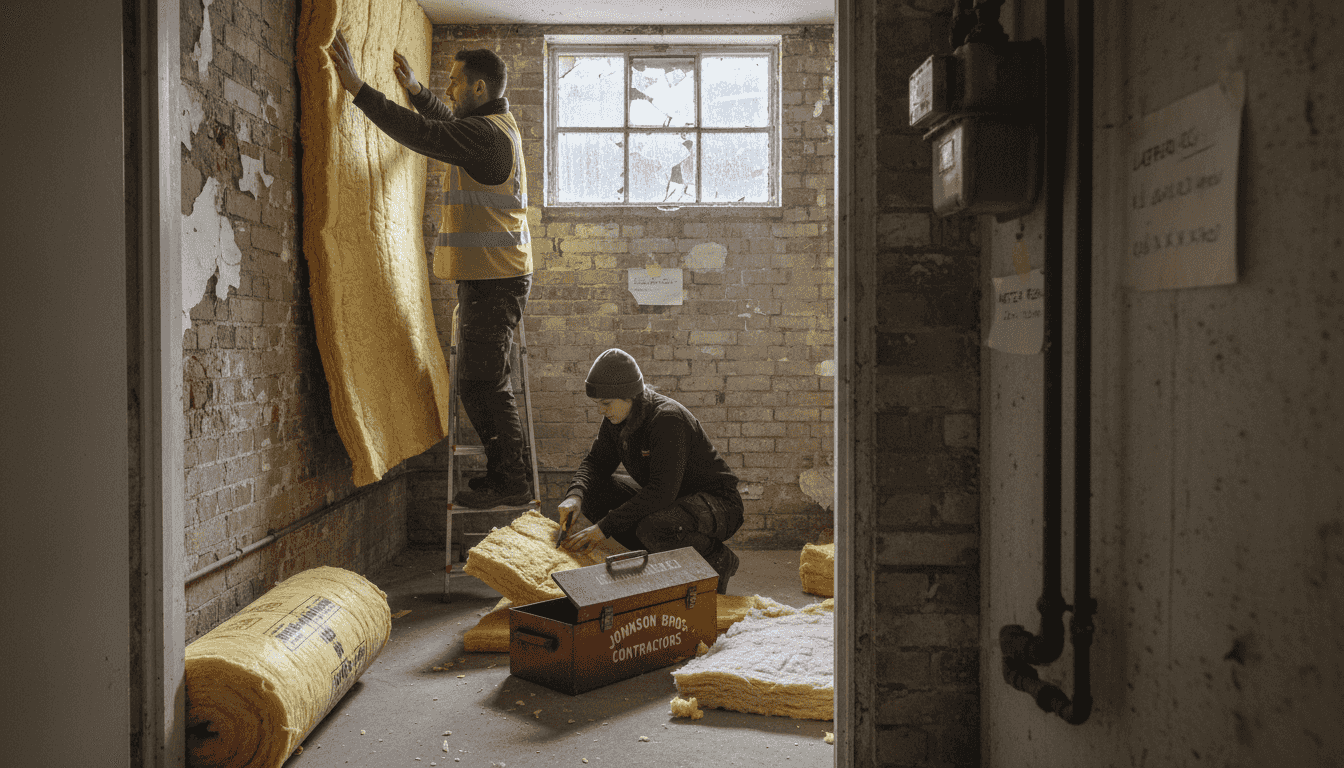
The most practical upgrades fall into clear categories. Improving insulation and glazing are typically your starting point, along with upgrading heating systems and installing renewable energy where feasible.
Heating and energy systems
Replacing old boilers with modern alternatives tops most landlords’ lists. Here’s what actually delivers results:
- Heat pumps: Transfer heat from air or ground; dramatically lower running costs for tenants
- Modern condensing boilers: More efficient than older models; reduce energy consumption by 15-20%
- Smart thermostats: Let tenants control heating precisely, cutting waste and complaints
- Renewable energy: Solar panels generate electricity; payback periods have shrunk considerably in recent years
Heating accounts for roughly 60% of residential energy use in UK homes. Upgrading this system alone often reduces tenant energy bills by £300-500 annually, making properties more attractive to prospective renters.
Insulation, windows, and ventilation
Heat escapes through poor insulation and old windows faster than you’d think. Address these before considering more expensive upgrades:
- Loft insulation: Relatively cheap; prevents heat rising straight through the roof
- Wall insulation: More involved but highly effective in detached and semi-detached homes
- Double or triple glazing: Replaces single-pane windows; improves comfort and cuts heating needs
- Draught-proofing: Seals gaps around doors and frames; low cost, noticeable impact
Insulation and heating upgrades often provide the fastest return on investment for landlords managing London properties.
Water and appliance efficiency
Tenants care about water bills as much as heating. Installing water-saving technologies costs less than you’d expect:
To help landlords prioritise, here’s a comparison of common eco-friendly property upgrades in terms of cost, impact, and payback period:
| Upgrade Type | Typical Upfront Cost | Energy Bill Savings per Year | Payback Period |
|---|---|---|---|
| Loft insulation | Low (£500–£1,000) | £150–£250 | 5–7 years |
| Modern condensing boiler | Medium (£2,000–£3,500) | £200–£350 | 7–10 years |
| Heat pump installation | High (£7,000–£12,000) | £400–£600 | 12–18 years |
| Double/triple glazing | High (£3,000–£6,000) | £120–£180 | 15–20 years |
| Smart thermostat | Low (£100–£300) | £80–£150 | 1–3 years |
| Water-saving devices | Low (£50–£200) | £40–£70 | 1–4 years |
- Fitted aerators on taps reduce water flow without sacrificing pressure
- Low-flow showerheads cut water usage by 25-30%
- Repair leaks immediately; a dripping tap wastes roughly 5,500 litres annually
- Upgrade to energy-efficient appliances when replacements are due
Building materials and construction
When renovations or repairs are needed, choosing sustainable materials makes sense. Durable, responsibly sourced materials last longer, meaning fewer replacements and lower maintenance costs over time.
Pro tip: Prioritise heating and insulation upgrades first—they deliver the best return on investment and immediately reduce tenant energy bills, making properties more competitive in London’s rental market.
Meeting legal and regulatory requirements
Ignoring regulations isn’t an option. The UK government has established clear standards for rental properties, and compliance directly affects your ability to let properties and avoid substantial penalties.
The primary framework centres on energy efficiency standards that apply to all residential landlords. Non-compliance results in fines up to £30,000 per property, making this a genuine business risk rather than a minor administrative concern.
Understanding Minimum Energy Efficiency Standards (MEES)
Minimum Energy Efficiency Standards (MEES) require rental properties to achieve a minimum Energy Performance Certificate (EPC) rating of E or above. Properties rated F or G cannot legally be let from April 2020 onwards.
The key compliance points:
- Properties must hold a valid EPC before letting to tenants
- Ratings must be E or above; properties below this standard cannot be rented
- You must display the EPC publicly when marketing properties
- Ratings must be checked regularly as standards are tightening
- Exemptions exist for some circumstances, but they’re narrow and temporary
Most London properties built before 1990 struggle with MEES compliance without upgrades. Loft insulation, cavity wall insulation, and heating system improvements typically move properties from F or G into the E band.
Rising standards and future regulations
Regulations aren’t static. Government targets require all properties to reach EPC D by 2028 and C by 2035. This means the upgrades you delay today become mandatory tomorrow.
Below is a summary of compliance deadlines and penalties for energy efficiency in rental properties:
| Requirement | Deadline | Consequence for Non-compliance |
|---|---|---|
| EPC rating E or above | In force since 2020 | Up to £30,000 fine per property |
| EPC rating D minimum (planned) | 2028 | Cannot legally let until compliant |
| EPC rating C minimum (planned) | 2035 | Higher fines, barred from letting |
| Public EPC display when marketing | Ongoing | Fines or marketing restrictions |
Upgrading now avoids rushed, expensive compliance later when regulations tighten further.
Planning ahead protects your rental income. Properties that meet future standards attract tenants seeking energy efficiency, command higher rents, and reduce management headaches when regulations change.
What landlords must do now
Take these specific steps immediately:
- Obtain current EPCs for all properties
- Identify which properties fall below E rating
- Prioritise upgrades on non-compliant properties
- Document all improvements for EPC reassessment
- Review insurance and compliance obligations annually
Pro tip: Get EPCs assessed now and create a compliance timeline mapping which properties need upgrades and by when—this prevents last-minute panic and helps budget improvements across your portfolio systematically.
Financial impact and cost-saving potential
Sustainable property upkeep isn’t a cost burden—it’s an investment that pays dividends. Lower energy bills, reduced maintenance emergencies, and higher rental yields combine to create genuine financial advantages over time.
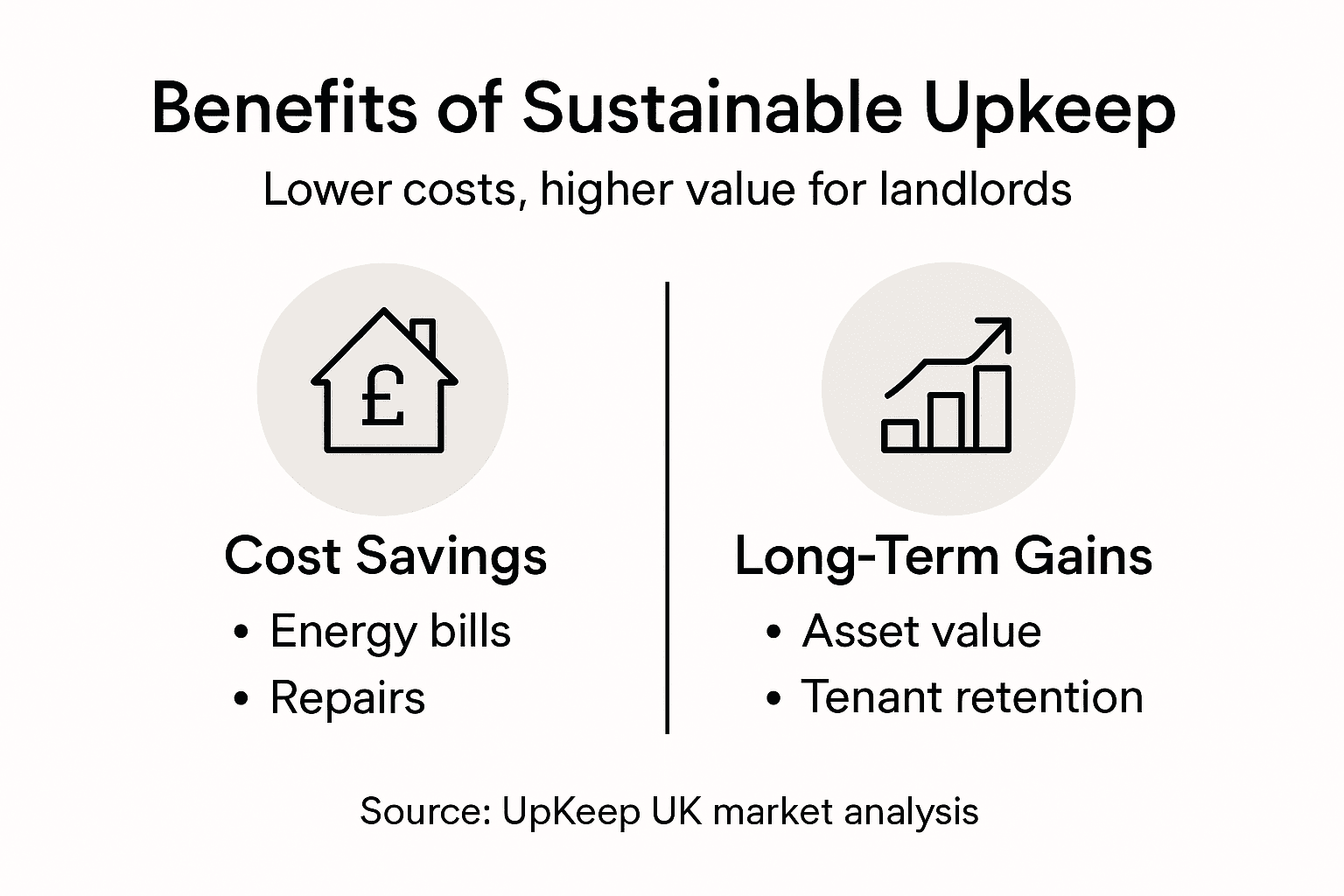
Landlords managing London properties see the most immediate impact through reduced operating costs. Energy-efficient upgrades cut utility expenses substantially, and these savings flow directly to your bottom line or attract cost-conscious tenants.
Lower energy bills and operational costs
Heating and hot water account for the majority of rental property running expenses. Upgrading these systems delivers measurable savings:
- Modern boilers reduce energy consumption by 15-20% compared to pre-2000 models
- Heat pumps lower annual heating costs by £400-600 per property
- Loft insulation recoup costs within 5-7 years through reduced heating needs
- Smart thermostats prevent waste, cutting bills by 10-15% annually
A typical London terraced property with poor insulation might cost £1,200 annually to heat. After insulation and boiler upgrades, that same property could cost £800, creating £400 in yearly savings indefinitely.
Extended asset lifespan and reduced maintenance
Proactive maintenance using quality, durable materials prevents expensive emergency repairs. Sustainable property upkeep reduces the frequency of costly replacements and emergency call-outs.
Think about it practically: fixing a small leak costs £150. Ignoring it results in water damage, mould remediation, and potential structural issues costing thousands. Sustainable upkeep prioritises these preventative actions.
Premium rental income and tenant retention
Sustainable properties command higher rents as tenants increasingly seek energy-efficient homes. Market research shows energy-efficient properties rent 5-10% higher than comparable inefficient properties in London and the South East.
Better tenants also stay longer. Properties with reliable heating, low bills, and modern systems experience less turnover, reducing void periods and reletting costs.
Property value and marketability
Sustainable upgrades increase property value. Studies show energy-efficient homes sell and rent faster whilst commanding premium prices.
When you eventually sell, properties with strong EPC ratings attract more buyers and command higher sale prices. This appreciation compounds your returns beyond annual rental income.
Creating a financial timeline
Use this framework to evaluate upgrades:
- Immediate: Identify annual savings from each upgrade
- Medium-term: Calculate payback period (typically 5-8 years for heating and insulation)
- Long-term: Factor in property appreciation, reduced maintenance, and higher rents
Pro tip: Calculate the annual savings each upgrade generates, then divide the cost by yearly savings to find payback periods—prioritise upgrades with payback under seven years for strongest returns.
Risks and common mistakes to avoid
Even well-intentioned landlords stumble when implementing sustainable property upkeep. Understanding common pitfalls helps you avoid expensive mistakes and maximises your investment returns.
The biggest risk is treating sustainability as a one-time project rather than ongoing management. Upgrading your boiler doesn’t guarantee long-term efficiency if you neglect servicing and maintenance afterwards.
Upgrading without proper planning
Many landlords rush into expensive upgrades without assessing what actually needs doing first. This wastes money on unnecessary work whilst missing critical issues.
Common planning mistakes:
- Installing solar panels on properties with poor insulation (heat escapes before it helps)
- Upgrading windows without addressing damp and ventilation problems
- Replacing boilers without checking if insulation will make the new system oversized
- Failing to conduct energy audits before spending money
Always start with a professional energy assessment. This identifies where heat and water are actually being wasted, ensuring upgrades address real problems.
Installation quality and system failures
Poor installation of new systems undermines sustainability goals and creates long-term problems. A heat pump installed incorrectly performs poorly, disappointing tenants and wasting your investment.
Use qualified installers with proper certifications. Budget for professional work rather than cutting corners on labour costs—poor installation often costs more to fix than doing it right initially.
Neglecting ventilation and moisture management
Improving insulation without proper ventilation creates moisture problems. Trapped condensation leads to mould, which damages properties and creates tenant complaints.
When upgrading insulation or sealing draughts, ensure adequate ventilation through:
- Mechanical ventilation with heat recovery systems
- Proper bathroom and kitchen extraction
- Trickle vents or controlled ventilation
Skipping ongoing maintenance schedules
Sustainable property upkeep requires consistent maintenance, not just initial upgrades. Neglecting regular servicing undermines everything.
You cannot install a modern boiler and forget it. Annual servicing keeps systems running efficiently. Without it, efficiency drops by 15-20% annually, erasing your investment benefits.
Underestimating timescales and costs
Sustainable upgrades take longer and often cost more than initial estimates. Disruption affects tenants, and unexpected issues arise during work.
Build realistic timelines and contingency budgets:
- Get multiple quotes from qualified contractors
- Add 15-20% contingency for unexpected issues
- Schedule work during tenant transitions when possible
- Communicate timescales clearly to tenants in advance
Pro tip: Create a written maintenance schedule specifying what needs doing monthly, quarterly, and annually—boiler servicing, filter cleaning, drain clearing—and stick to it religiously to protect your investment.
Secure Your Property’s Future with Expert Sustainable Upkeep Solutions
Managing sustainable property upkeep means overcoming challenges like meeting Minimum Energy Efficiency Standards, reducing unexpected maintenance costs, and enhancing tenant satisfaction through improved energy efficiency and long-term resilience. Understanding key elements such as efficient heating systems, insulation, and regular maintenance is essential—but implementing these improvements requires trusted, skilled professionals who can deliver quality and reliability.
At UpKeep UK, we specialise in assisting landlords and property owners across London and the UK with professional property maintenance and eco-friendly upgrades tailored to your needs. From prompt emergency repairs to comprehensive refurbishments, our experienced team ensures your properties comply with regulations while cutting costs and increasing tenant retention. Take control today by visiting our main service page to request a consultation and start protecting your investment with sustainable solutions designed for the modern landlord.
Frequently Asked Questions
What is sustainable property upkeep?
Sustainable property upkeep involves maintaining rental properties in a way that reduces environmental impact while ensuring safety, efficiency, and long-term value for tenants. It includes energy efficiency, resource conservation, and building resilience against climate change.
How can landlords improve energy efficiency in their properties?
Landlords can enhance energy efficiency by upgrading heating systems, insulating properties, servicing boilers regularly, installing smart thermostats, and using durable materials to reduce energy consumption and costs for tenants.
What are the benefits of eco-friendly upgrades for rental properties?
Eco-friendly upgrades can lead to lower energy bills, reduced maintenance costs, higher rental income, and increased property value. Energy-efficient homes attract better tenants and improve tenant retention rates.
What are Minimum Energy Efficiency Standards (MEES), and why are they important?
MEES require rental properties to achieve a minimum Energy Performance Certificate (EPC) rating of E or above. Compliance is crucial to avoid fines and ensures properties remain competitive and legally let to tenants.
































