


Many UK landlords struggle balancing routine upkeep with urgent repairs and complex compliance obligations. Reactive maintenance often costs significantly more, increasing stress and expenses. This article explains the main types of property maintenance and helps you choose the best approach for your property needs and budget.
Table of Contents
- Selection Criteria For Property Maintenance Types
- Planned Maintenance: Proactive Upkeep For Longevity And Compliance
- Reactive Maintenance: Managing Urgent Repairs And Failures
- Compliance Maintenance: Legal Requirements To Avoid Penalties
- Comparison Of Maintenance Types: Benefits, Costs, And Use Cases
- Situational Recommendations: Choosing The Right Maintenance Type For Your Property
- Discover Professional Property Maintenance Solutions With UpKeep UK
Key takeaways
| Point | Details |
|---|---|
| Distinguish planned, reactive, and compliance maintenance types | Each type serves different purposes and suits different property scenarios |
| Planned maintenance reduces costs and disruptions significantly | Saves 15-25% annually compared to reactive approaches |
| Reactive maintenance is costlier and riskier but needed for urgent issues | Costs 20-40% more but essential for emergencies |
| Compliance maintenance ensures legal safety and avoids penalties | Mandatory annual checks protect landlords from fines and legal action |
| Choosing the right maintenance depends on property use, budget, and compliance needs | Hybrid strategies often deliver the best results for UK property owners |
Selection criteria for property maintenance types
Before diving into maintenance types, you need to understand what drives your decision. Compliance with UK Building Regulations and landlord legal obligations is paramount. Missing inspections or failing to meet standards can trigger fines, legal action, or insurance invalidation.
Cost-efficiency and predictability in budgeting help avoid surprises. Maintenance should prevent emergencies and preserve property value whilst minimising tenant disruption to boost satisfaction and retention. Property type matters too. Residential portfolios demand different strategies than commercial estates.
Key factors to evaluate include:
- Regulatory requirements specific to your property type
- Budget constraints and cash flow predictability
- Property age, condition, and tenant occupancy patterns
- Desired tenant satisfaction and retention levels
- Insurance requirements and documentation needs
Pro Tip: Prioritise compliance checks alongside planned maintenance for balanced risk management. This approach protects you legally whilst controlling costs.
Property maintenance service management requires understanding how these criteria interact with your goals. Regular property maintenance becomes easier when you align your strategy with your property’s unique demands. Letting agencies benefit from structured approaches that address plumbing maintenance and other critical systems. Many estate agents save time and money through outsourced solutions. Watching for red flags in property maintenance helps prevent costly mistakes.
Planned maintenance: proactive upkeep for longevity and compliance
Planned maintenance involves scheduled inspections and upkeep tasks before faults occur. You arrange regular checks, servicing, and minor repairs according to a timetable. This proactive approach reduces emergency repairs by up to 30% and saves 15-25% on annual maintenance budgets.
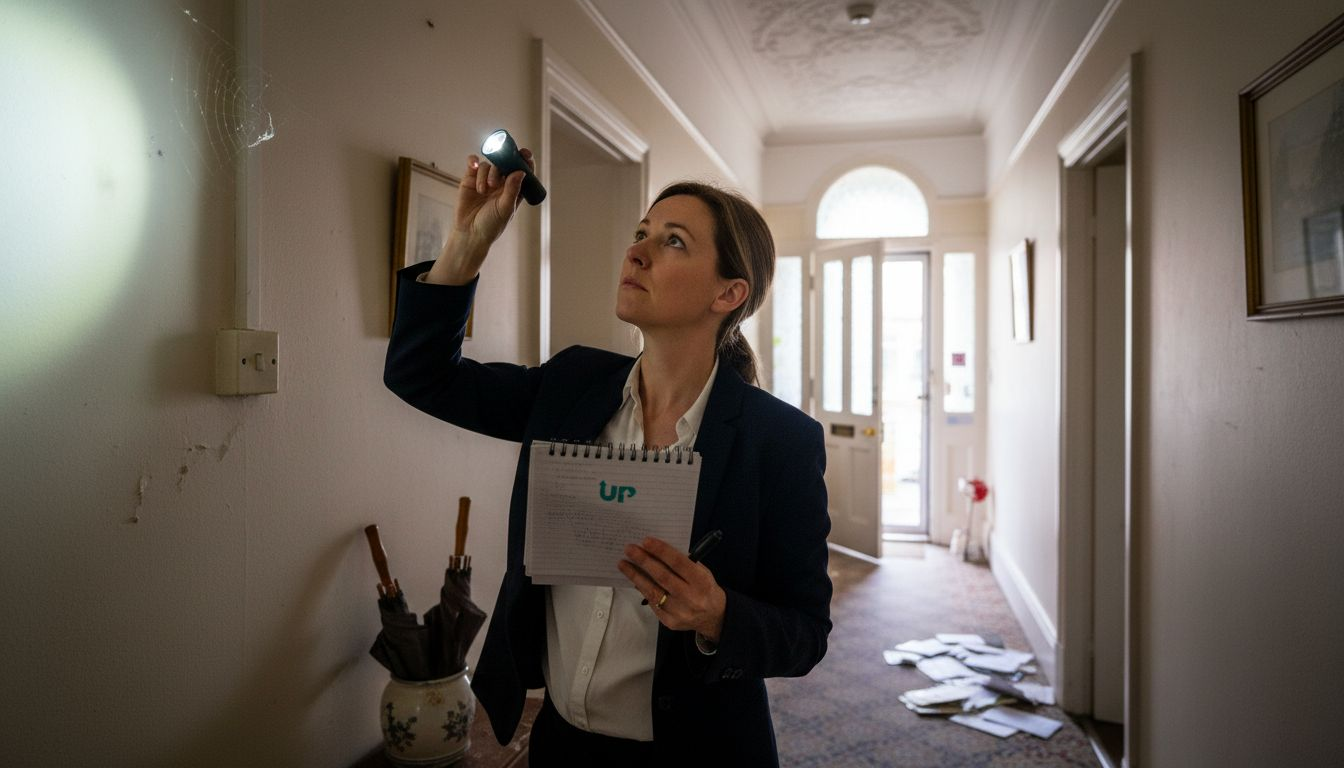
Benefits extend beyond cost savings. You gain improved budget predictability, allowing accurate financial forecasting. Insurance companies often offer discounts when you maintain documented maintenance schedules. Regulatory compliance becomes simpler with systematic record keeping.
Common planned maintenance tasks include:
- Regular roof inspections and gutter clearing to prevent water damage
- Annual boiler servicing and heating system checks
- Building fabric repairs addressing wear before major failures
- Periodic electrical inspections and safety testing
- Decorating and refresh cycles to maintain property value
Planned maintenance suits landlords managing multiple properties who value steady budgeting. The approach works brilliantly for portfolios where tenant turnover is low and long-term value preservation matters. Documentation supports insurance claims and demonstrates legal compliance during inspections.
Pro Tip: Combine planned maintenance schedules with tenant communication to minimise disruption. Advance notice keeps tenants informed and cooperative, reducing complaints and maintaining positive relationships.
Understanding what’s changing in property maintenance helps you adapt your planned approach to current standards. Even when balancing reactive maintenance needs, maintaining core planned tasks delivers consistent results. Never ignore heating issues that could escalate into emergencies.
Reactive maintenance: managing urgent repairs and failures
Reactive maintenance responds to breakdowns or urgent issues after failure occurs. Your team or contractor fixes problems as they arise, usually with little warning. This approach typically costs 20-40% more than planned maintenance due to unpredicted repairs and emergency callout premiums.
Unpredictability drives higher costs. Emergency repairs require immediate contractor availability, often outside standard hours. Parts may need urgent ordering at premium prices. Tenant complaints increase because failures disrupt daily life and create frustration.
Common reactive maintenance situations include:
- Plumbing leaks requiring immediate attention to prevent water damage
- Boiler breakdowns during winter months affecting heating and hot water
- Electrical faults posing safety risks or causing power outages
- Structural issues discovered during inspections or by tenants
Reactive maintenance typically occurs in unmanaged or privately rented properties lacking scheduled upkeep programmes. You respond to problems rather than preventing them. Whilst fast 24/7 emergency services reduce downtime, they do not replace the value of preventive care.
Clear communication with tenants during reactive repairs eases dissatisfaction. Explaining timelines, keeping them updated, and resolving issues quickly maintains trust despite the inconvenience. Effective reactive maintenance advice for London estate agents emphasises rapid response paired with transparent communication. Avoiding property maintenance red flags helps prevent recurring emergencies.
Compliance maintenance: legal requirements to avoid penalties
Compliance maintenance ensures adherence to UK Building Regulations and landlord legal obligations. You must complete mandatory annual checks including gas safety inspections, electrical testing, and fire safety equipment verification. Failing compliance leads to hefty fines, legal action, and potentially invalid insurance.
Documented maintenance records and certificates are legally required for rental properties. You must provide gas safety certificates annually, electrical installation condition reports every five years, and evidence of working smoke and carbon monoxide alarms. Missing documentation during inspections triggers enforcement action.
Compliance maintenance reduces safety risks, protects tenants, and shields you from legal exposure. Systematic compliance also minimises tenant disputes because you demonstrate responsibility and care for their wellbeing.
Key compliance tasks and consequences:
| Compliance Task | Required Frequency | Penalty for Neglect |
|---|---|---|
| Gas safety inspection | Annual | Up to £6,000 fine or six months imprisonment |
| Electrical installation condition report | Every 5 years | Unlimited fine, property closure orders |
| Fire safety equipment checks | Annual minimum | Unlimited fine, imprisonment up to two years |
| Legionella risk assessment | Every 2 years or when changes occur | Unlimited fine, potential manslaughter charges |
| Energy Performance Certificate | At tenancy start or renewal | £200 penalty per breach |
Mandatory checks form the non-negotiable baseline of property management. You cannot skip or delay compliance tasks without serious consequences. Regular property maintenance importance extends beyond convenience to legal necessity. Watching for maintenance compliance red flags protects your portfolio from regulatory breaches.
Comparison of maintenance types: benefits, costs, and use cases
Comparing planned, reactive, and compliance maintenance helps you evaluate the most appropriate strategy. Costs vary significantly. Planned maintenance saves 15-25% annually versus reactive’s premium pricing. Reactive maintenance costs 20-40% more and generates more tenant complaints than planned approaches.
Tenant satisfaction differs dramatically. Planned upkeep minimises disruptions and demonstrates proactive care. Reactive maintenance frustrates tenants with unexpected failures and inconvenient repair schedules. Compliance maintenance is legally mandatory and non-negotiable for landlords regardless of cost or convenience.
| Maintenance Type | Annual Cost Impact | Tenant Satisfaction | Best Suited For |
|---|---|---|---|
| Planned | Saves 15-25% | High, minimal disruption | Multi-property landlords, long-term value focus |
| Reactive | Costs 20-40% more | Low, high complaints | Unmanaged properties, urgent needs only |
| Compliance | Mandatory baseline | Neutral to positive | All rental properties, legal requirement |
Suitability varies by property profile. Planned maintenance suits multi-property landlords seeking cost control and predictable budgeting. Reactive fits unmanaged properties or situations where immediate funds for scheduled upkeep are unavailable. Compliance maintenance applies universally as a legal baseline.
Frequency and predictability separate these approaches. Planned maintenance follows regular, scheduled cycles. Reactive maintenance is unpredictable and event-driven. Compliance maintenance operates on fixed legal timelines.
Pro Tip: A hybrid strategy combining planned maintenance with compliance checks minimises risks and costs. You prevent most emergencies through proactive care whilst meeting legal obligations systematically.
Building maintenance guidance for London offers detailed implementation strategies. Understanding property maintenance trends in 2026 keeps you ahead of regulatory changes. Reviewing reactive versus planned cost analysis provides evidence-based decision support.
Situational recommendations: choosing the right maintenance type for your property
Your property profile determines the optimal maintenance strategy. Residential landlords managing multiple properties benefit most from planned maintenance with compliance integration. You gain cost control, tenant satisfaction, and legal protection simultaneously.
Older or unmanaged properties require reactive maintenance alongside gradual planning to control unexpected failures. You address immediate issues whilst building towards a proactive schedule. This transition period reduces emergency frequency over time.
Compliance-focused management demands prioritising legal inspections such as gas and electrical safety checks. You build your maintenance programme around mandatory tasks, adding planned upkeep as budget allows. This approach protects you legally whilst improving property condition incrementally.
Commercial estates should develop tailored maintenance schedules balancing planned upkeep with provision for urgent repairs. You need comprehensive programmes addressing diverse building systems and tenant expectations.
Balancing cost control, tenant satisfaction, and legal risks requires an adaptable maintenance plan. Your strategy should flex with property conditions, tenant turnover, and budget availability. Regular review and adjustment ensure ongoing optimisation as circumstances evolve.
Key recommendations by scenario:
- Multi-property portfolios: Implement structured planned maintenance with annual compliance reviews
- Single rental properties: Combine essential compliance checks with selective planned tasks for high-risk systems
- Commercial estates: Develop comprehensive maintenance contracts covering planned, reactive, and compliance needs
- Transitioning properties: Start with compliance baseline, add planned tasks gradually as budget permits
Property maintenance strategies for letting agencies offer frameworks adaptable to your specific needs. Your maintenance approach should evolve with your portfolio, reflecting changing property conditions and market demands.
Discover professional property maintenance solutions with UpKeep UK
Navigating maintenance types becomes simpler with expert support. UpKeep UK offers professional property maintenance services tailored to landlords and estate agents across London and the wider UK. Our comprehensive maintenance plans reduce costs, ensure compliance, and enhance tenant satisfaction through proactive care.

We help you implement effective strategies that match your property profile and budget. Whether you need planned maintenance programmes, rapid reactive response, or compliance-focused solutions, our experienced team delivers reliable results.
Explore our guides on identifying red flags, understanding building maintenance service management, and recognising the importance of regular upkeep to stay ahead. Contact UpKeep UK to build a custom maintenance solution that works for your property portfolio, protecting your investment whilst keeping tenants satisfied.
Frequently asked questions
What are the main types of property maintenance?
The three fundamental types are planned, reactive, and compliance maintenance. Planned maintenance involves scheduled inspections and upkeep before failures occur, reducing costs and emergencies. Reactive maintenance addresses urgent repairs after breakdowns happen, costing more but handling immediate needs. Compliance maintenance ensures adherence to UK legal requirements through mandatory inspections like gas safety checks and electrical testing. Most successful property owners combine these types strategically based on their portfolio needs and budget.
How often should property maintenance be scheduled in the UK?
Compliance inspections require annual checks for gas safety and fire equipment, with electrical testing every five years. Planned maintenance tasks typically occur every 6-12 months depending on property age and condition. Reactive maintenance happens as needed when failures occur. Frequency depends on property type, age, tenant occupancy, and local environmental factors affecting wear rates.
What are the risks of relying solely on reactive maintenance?
Reactive-only approaches cost 20-40% more annually due to emergency callout premiums and unpredicted repairs. You face increased tenant complaints from unexpected failures and service disruptions. Regulatory penalties risk escalating when reactive focus causes missed compliance deadlines. Property damage often worsens when problems are not caught early, leading to more expensive repairs over time.
Can one maintenance plan cover all property types?
No single plan fits all property scenarios effectively. Residential properties need different approaches than commercial estates due to varying tenant expectations and regulatory requirements. Unmanaged properties often require more reactive capacity whilst managed portfolios benefit from structured planned programmes. Combining maintenance types in hybrid strategies usually delivers best results, allowing you to customise the balance based on your specific property profile, budget, and risk tolerance.
































