No single system wins: the right choice depends on the property, its insulation and whether there is outdoor space. At Ofgem’s October to December 2026 cap, heat from gas costs about 8.9p per kWh, a heat pump at SCOP 3 about 8.8p, and an electric boiler about 26.3p. Landlords should also weigh the Boiler Upgrade Scheme and the EPC C rental deadline.
Key Takeaways
Choosing the right heating system depends on property type, insulation, outdoor space, and available grants, with gas boilers, electric boilers, and heat pumps each fitting different scenarios.
| Point | Details |
|---|---|
| Gas boilers are cheapest upfront and to run in many cases | Gas boilers are the least expensive to install and operate, especially for homes on the gas grid with limited budgets. |
| Heat pumps are most cost-effective off-grid or well-insulated homes | Homes off the gas grid or with good insulation benefit most from heat pumps due to low running costs and grant support. |
| Electric boilers suit flats without outdoor space or gas supply | Electric boilers are practical for flats with no outdoor space and no gas connection but have higher running costs. |
| Proper sizing and installation are essential for system efficiency and savings | A heat-loss calculation and choosing accredited installers ensure the system performs efficiently and reduces wasted expenses. |
| Upkeep varies but regular inspection ensures safety and efficiency | Gas boilers need annual gas safety checks, while electric boilers and heat pumps require electrical and system maintenance. |
How do the three systems compare side by side?
| Gas boiler | Electric boiler | Air source heat pump | |
|---|---|---|---|
| Upfront cost | Lowest of the three | Low, simple fit | Highest, before grant |
| Running cost per kWh of heat | About 8.9p | About 26.3p | About 8.8p at SCOP 3 |
| Efficiency | 90% assumed | 100% | SCOP of 3 assumed |
| Space and outdoor unit | Flue, no outdoor unit | Compact, wall or cupboard | Outdoor unit plus cylinder |
| Compliance | Annual gas safety check | No gas safety check | MCS installer for grant |
| Best fit | Flats and houses on the gas grid | Flats with no gas or outdoor space | Well-insulated homes with outdoor space |
Here is how that plays out by scenario:
- Homes off the gas grid with good insulation: a heat pump usually gives the best mix of running cost and grant support.
- Houses on the gas grid with limited budget: a gas boiler remains the cheapest to install and, at current caps, comparable to a heat pump to run.
- Flats with no gas and no outdoor space: an electric boiler is often the only practical route.
What do they cost to run per kWh of heat?
The unit rate on a bill is not the cost of heat. You divide it by the system’s efficiency, or by the SCOP (seasonal coefficient of performance) for a heat pump. Ofgem’s cap for 1 October to 31 December 2026 sets gas at 7.97p and electricity at 26.32p per kWh.
- Gas boiler: 7.97p at 90% efficiency comes to about 8.9p per kWh of heat.
- Electric boiler: 26.32p at 100% efficiency stays at 26.3p.
- Heat pump: 26.32p divided by a SCOP of 3 comes to about 8.8p.
About 8.8p versus 26.3p: the same unit of electricity heats a home three times as far through a heat pump at SCOP 3 as through an electric boiler.
So gas and heat pump running costs sit close together under current caps, while an electric boiler costs roughly three times as much per kWh of heat. Tariffs vary, so check Ofgem’s unit rate table for your own meter type. A real SCOP depends on design and insulation, and the Energy Saving Trust notes that heat pumps typically deliver 3 to 4 units of heat for each unit of electricity.
What does installation involve for each system?
A gas boiler swap can use existing pipework and flue. An electric boiler is similar, though it needs enough electrical capacity. A heat pump is a bigger job with an outdoor unit, a hot water cylinder and often new emitters.
- Heat-loss calculation: a room-by-room survey drives correct sizing, and an oversized or undersized heat pump wastes money.
- Emitters: heat pumps run at lower flow temperatures, so some homes need larger radiators or underfloor heating. Our guide to underfloor heating versus radiators covers that choice.
- Electrical load: electric boilers and heat pumps both draw significant power, so a supply check and sometimes a consumer unit upgrade come first.
- Accreditation: grant-backed heat pumps must be fitted by an MCS-certified installer.
Pro Tip: Ask for the heat-loss calculation in writing before accepting any heat pump quote, because it shows whether the unit is sized for your property rather than a generic one.
Which grants and landlord rules apply?
The Boiler Upgrade Scheme offers £7,500 towards an air-to-water or ground-source heat pump in England and Wales, with a £9,000 uplift for eligible off-gas-grid properties until 31 March 2027. The installer must be MCS certified, and the new system must replace an existing fossil fuel or electric heating system.
- Gas safety: landlords must arrange an annual gas safety check on appliances, flues and pipework by a Gas Safe registered engineer. Electric boilers do not need one.
- EPC C: privately rented homes in England and Wales must reach EPC C by 1 October 2030.
- Cost cap: spending is capped at £10,000 per property, and BUS grants do not count towards that cap. A 10-year exemption is available if the property is still below C after spending the cap.
For the wider picture, see our EPC rating guide for landlords.
Which systems suit London flats?
London flats raise constraints that a house rarely does. Many have no outdoor space for a heat pump unit, and some have no gas supply at all.
- Freeholder consent: external units, flues and pipework through shared structure usually need written permission.
- Conservation areas: external equipment may need planning permission, so check with the local authority before you quote.
- Electric boilers as fallback: they are simple to fit and avoid the gas safety regime, but they cost more to run, as the per-kWh figures show. The ECA electric boiler collection is a useful reference for what is available.
- Communal systems: where a building has shared or heat-network supply, speak to the freeholder or managing agent before changing anything in a single flat.

How do servicing and upkeep compare?
Maintenance differs more than people expect, and it affects budgeting as much as compliance.
- Gas boiler: an annual gas safety check and service by a Gas Safe registered engineer. See our note on gas safety check costs.
- Electric boiler: no gas safety check, but periodic inspection of electrical connections and the pressure vessel.
- Heat pump: regular servicing by a qualified installer, plus checks on the outdoor unit, filters and system pressure.
- All systems: budget for emergency call-outs and a planned maintenance schedule.
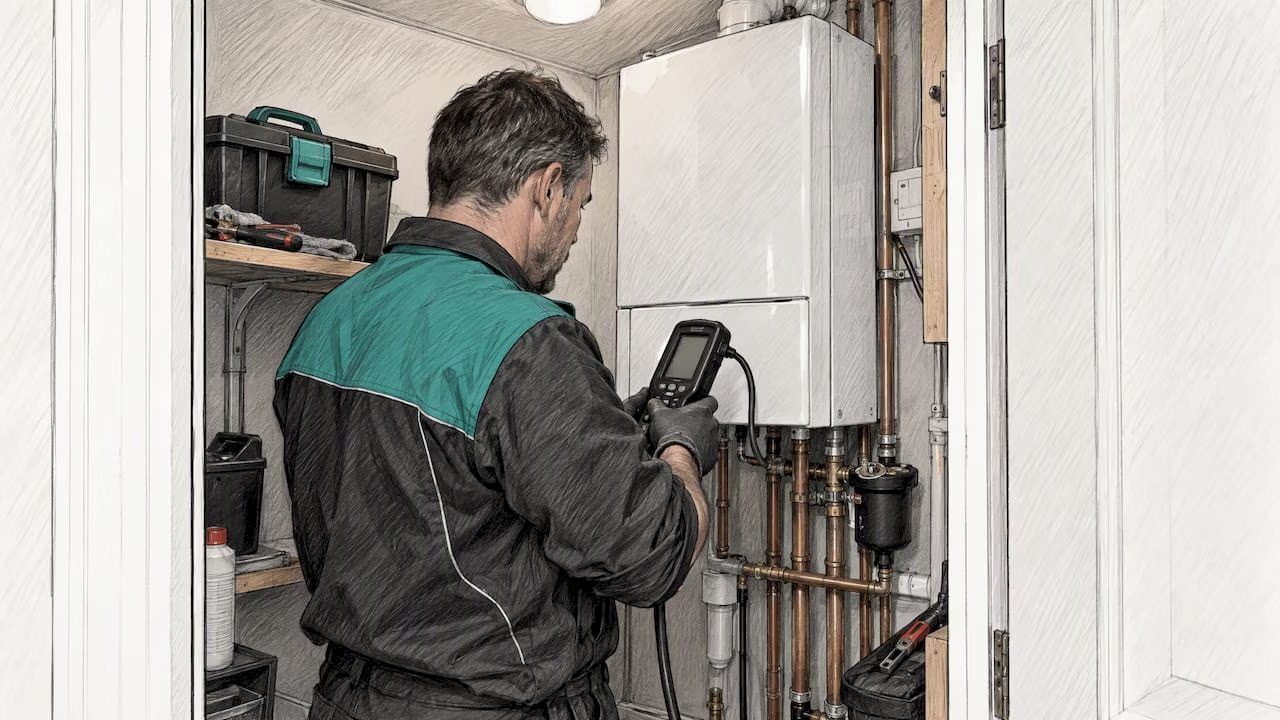
We are Gas Safe and NAPIT registered, so one team can cover gas, electrical and plumbing work. Our gas safety certificate guide explains what to expect.
Pro Tip: Diarise the gas safety check before the certificate expires, so there is time to arrange any necessary repair.
Our view on choosing a heating system
Treat the headline price as the least useful number. Start with a survey and heat-loss calculation, because insulation and draughts decide whether any system performs as promised. Use accredited installers, apply for the Boiler Upgrade Scheme where you are eligible, and fix fabric problems before committing to a low-carbon system. The order matters: survey, quote, grant application, then work.
— Drahim Hasula
How we help landlords with heating upgrades

We offer heating and hot water work, planned maintenance and compliance checks for landlords and property managers across London. Our team is Gas Safe and NAPIT registered, and we can coordinate fabric improvements alongside a heating change.
- Heating and hot water installation and repair
- Planned and reactive maintenance for rental portfolios
- Gas, electrical and fire safety compliance checks
- Site surveys ahead of any system change
Prices depend on the property and the work, so they are available on request. See our landlord property maintenance service and contact us for a site survey and quote.
FAQ
Is it cheaper to run a gas boiler or an electric boiler?
A gas boiler is cheaper to run. At Ofgem’s October to December 2026 cap, heat from gas costs about 8.9p per kWh against about 26.3p for an electric boiler, based on Ofgem’s published unit rates.
What is a heat pump boiler?
It is a heat pump that replaces a boiler as the main heat source. It moves heat from outside air or the ground into the home rather than burning fuel, which is why it can deliver more heat than the electricity it uses.
What are the advantages and disadvantages of heat pumps?
Heat pumps are efficient and can qualify for a £7,500 grant under the Boiler Upgrade Scheme. They cost more to install and need outdoor space, correct sizing and sometimes larger radiators.
Which is cheaper to run, a heat pump or an electric heater?
A heat pump is cheaper to run. At a SCOP of 3 it gives about 8.8p per kWh of heat, while direct electric heating gives about 26.3p.