


Choosing the right refurbishment project can feel overwhelming when you lack real-world examples to guide your decisions. Whether you manage residential flats, commercial offices, or social housing, understanding what works in practice helps you invest wisely and avoid costly mistakes. This article showcases successful UK refurbishment projects, from fabric-first retrofits to commercial upgrades, providing the insights and expert recommendations you need to transform your property with confidence.
Table of Contents
- Key takeaways
- How to evaluate refurbishment projects: criteria and considerations
- Notable UK refurbishment projects: real-world examples
- Cost considerations and financial returns in refurbishment projects
- Choosing the right refurbishment for your property: recommendations and best practices
- Discover professional property maintenance and refurbishment support
- Frequently asked questions
Key Takeaways
| Point | Details |
|---|---|
| Fabric first focus | Prioritising insulation and airtightness before upgrading heating or renewables maximises energy savings and improves occupant comfort. |
| Whole life cost analysis | Evaluating long term costs and carbon reveals true value beyond the initial price tag. |
| Phased refurbishments | Breaking projects into manageable stages reduces disruption for occupied buildings and spreads out expenditure. |
| Funding incentives | Grants from government schemes such as the Great British Insulation Scheme reduce upfront costs for qualifying properties. |
How to evaluate refurbishment projects: criteria and considerations
Successful refurbishment starts with clear evaluation criteria that align your property’s needs with proven industry standards. The fabric-first methodology forms the foundation of effective projects, where you prioritise insulation and airtightness before upgrading heating systems or renewable technologies. This approach maximises energy savings and carbon reduction whilst creating comfortable indoor environments that benefit occupants year-round.
Whole-life carbon and cost analyses help you understand the true value of different refurbishment options beyond initial price tags. These assessments factor in operational expenses, maintenance requirements, and environmental impact over decades, revealing which investments deliver genuine long-term returns. Policy compliance adds another critical dimension, particularly as regulations tighten around energy performance standards.
Starting with an EPC audit targeting rating C by 2030 ensures your project meets minimum energy efficiency standards whilst avoiding future regulatory penalties. The shift in MEES requirements means early planning protects your investment and maintains rental viability in competitive markets.
Pro Tip: Phased refurbishments work exceptionally well for occupied buildings or those with heritage constraints. Breaking projects into manageable stages reduces disruption, allows you to test approaches before full commitment, and spreads financial outlay across budget cycles.
Funding mechanisms significantly influence project feasibility. Government schemes like the Great British Insulation Scheme and Warm Homes programmes offer substantial grants that reduce upfront costs for qualifying properties. These incentives make ambitious energy upgrades accessible to more property owners whilst accelerating the UK’s transition to net zero carbon emissions.
Consider these evaluation priorities when planning your refurbishment:
- Energy performance improvement potential and compliance with evolving MEES standards
- Occupant comfort enhancements including thermal stability and air quality
- Whole-life cost analysis comparing initial investment against operational savings
- Available grant funding and tax incentives that reduce net project expenses
- Disruption management strategies for occupied residential or commercial spaces
Your property refurbishment guide 2026 provides detailed frameworks for assessing these factors systematically. For landlords managing multiple properties, our refurbishment guide for UK landlords addresses portfolio-wide considerations that optimise returns across your entire estate.
Notable UK refurbishment projects: real-world examples
Examining successful projects reveals what’s achievable when theory meets practice. These case studies demonstrate tangible benefits across different property types and refurbishment scopes, offering inspiration and benchmarks for your own planning.
Wilmcote House in Birmingham exemplifies social housing transformation through deep retrofit. This EnerPHit standard project reduced heating use to under once weekly in 60% of flats whilst dramatically improving thermal comfort for residents. The fabric-first approach included high-performance windows, external wall insulation, and mechanical ventilation with heat recovery, creating homes that maintain comfortable temperatures with minimal energy input.
The Entopia Building in London showcases what’s possible in commercial office retrofit. This ambitious project achieved 84% less whole-life carbon compared with standard retrofits, remarkably at only an 8% cost premium. The design team challenged conventional approaches, demonstrating that exceptional environmental performance needn’t require prohibitive budgets when you apply innovative thinking and rigorous analysis.
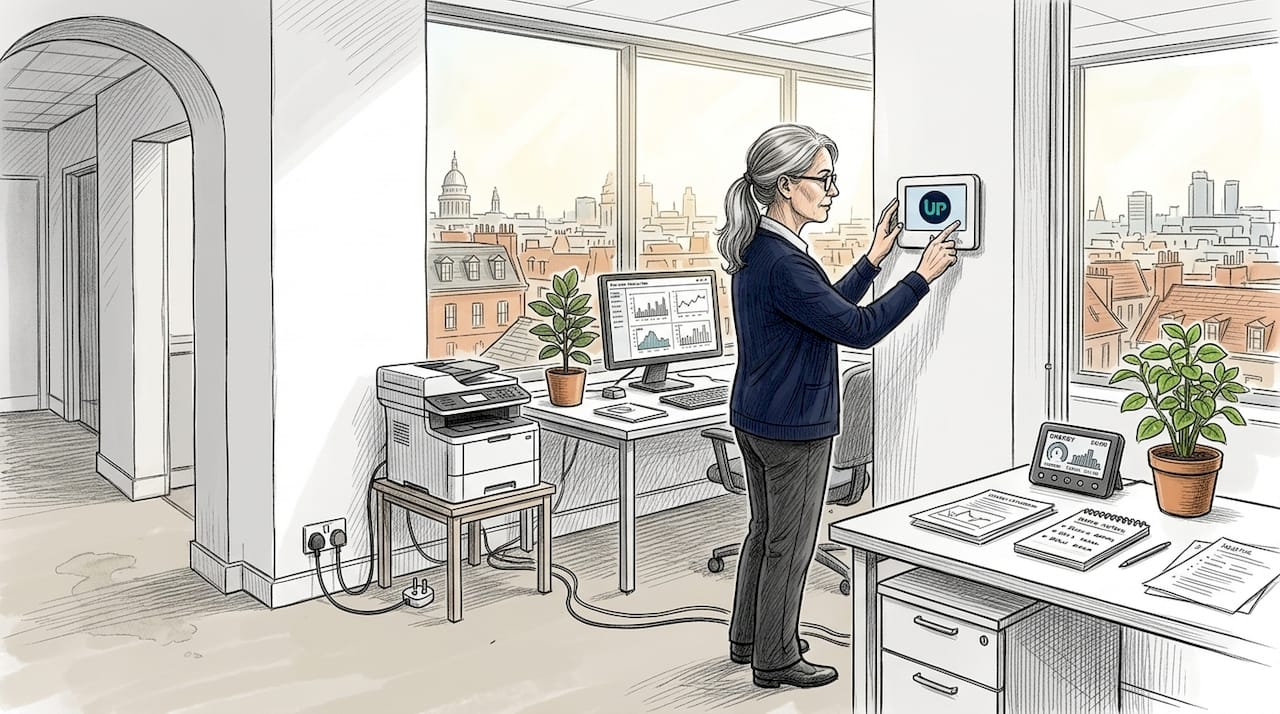
Financial returns from commercial retrofits prove compelling for property investors. Upgrading from EPC C to B+ delivers approximately 19% capital value uplift and 7% rental premium in today’s market. These figures reflect growing tenant demand for efficient, sustainable workspaces alongside regulatory pressure driving occupiers toward better-performing buildings.
Here’s how key project metrics compare across different refurbishment types:
| Project type | Energy improvement | Carbon reduction | Financial benefit | Typical timeline |
|---|---|---|---|---|
| Social housing deep retrofit | 60-80% heating reduction | 70-85% operational carbon | Occupant comfort, compliance | 6-12 months |
| Commercial office upgrade | EPC C to B+ rating | 50-70% operational carbon | 19% value uplift, 7% rent premium | 8-16 months |
| Residential renovation | 40-60% energy savings | 45-65% operational carbon | 15-25% property value increase | 4-10 months |
| Heritage fabric improvements | 30-50% energy savings | 35-55% operational carbon | Preservation value, marketability | 10-18 months |
These projects showcase the fabric-first principle’s effectiveness across diverse contexts. Whether you’re upgrading social housing, commercial premises, or private residences, prioritising building envelope performance creates the foundation for all subsequent improvements. The green premium that once deterred investors now represents sound financial strategy as energy costs rise and regulations tighten.
Explore our examples of commercial refurbishments for additional case studies demonstrating successful transformations. Our Barbican building restoration project illustrates how sensitive heritage work can achieve modern performance standards whilst respecting architectural significance.
Cost considerations and financial returns in refurbishment projects
Understanding refurbishment costs helps you budget realistically and evaluate which projects deliver optimal returns for your circumstances. Expenses vary dramatically based on scope, property condition, and performance targets you’re pursuing.
Cosmetic refurbishments for a typical three-bedroom house start around £15,000 covering decoration, flooring, and kitchen updates without structural changes. Mid-range renovations including bathroom replacements, kitchen refits, and some rewiring typically cost £40,000 to £65,000. Full back-to-brick renovations with structural alterations, complete systems replacement, and high-specification finishes exceed £120,000, though they enable comprehensive transformation.
Commercial projects operate on different scales. Office refurbishments range from £50 to £150 per square foot depending on specification, whilst retail spaces often require £80 to £200 per square foot to meet modern standards and customer expectations. These figures include mechanical and electrical upgrades, finishes, and building services but exclude major structural work.
The green premium adds approximately 6.5% to project costs when you pursue high environmental performance standards. This investment returns through rental premiums averaging 7% and enhanced capital values that outpace conventional properties. Tenants increasingly prioritise efficient buildings with lower operating costs, making green credentials a competitive advantage rather than a niche feature.
Pro Tip: Phased financing spreads costs across multiple budget periods whilst allowing you to validate approaches before full commitment. Start with fabric improvements that deliver immediate comfort and energy benefits, then add renewable technologies and advanced systems once the building envelope performs optimally.
Here’s how different refurbishment levels compare in cost and return:
| Refurbishment level | Cost range (3-bed house) | Expected ROI | Payback period | Best for |
|---|---|---|---|---|
| Cosmetic refresh | £15,000-£25,000 | 50-80% | Immediate on sale | Quick value boost, rental appeal |
| Mid-range upgrade | £40,000-£65,000 | 80-120% | 3-5 years | Modernisation, energy improvement |
| Comprehensive renovation | £80,000-£120,000 | 100-150% | 5-8 years | Full transformation, maximum performance |
| Deep energy retrofit | £60,000-£90,000 | 60-100% + ongoing savings | 8-12 years | Long-term hold, sustainability goals |
Grant funding significantly improves project economics. The Great British Insulation Scheme covers up to £7,500 for eligible properties, whilst local authority schemes may contribute additional support for specific measures. These incentives effectively reduce your net investment whilst accelerating payback periods for energy improvements.
Project management fees typically add 8% to 15% of construction costs but deliver substantial value through better budget control, timeline adherence, and quality outcomes. Professional coordination prevents costly mistakes, manages contractor relationships, and ensures works meet specifications without expensive remediation.
Our guide to renovating vs refurbishing options helps you determine which approach suits your property and goals. Understanding the role project managers play in renovations clarifies how professional oversight protects your investment and delivers superior results.
Choosing the right refurbishment for your property: recommendations and best practices
Selecting appropriate refurbishment works requires matching project scope to your property’s characteristics, occupier needs, and investment objectives. Building type fundamentally influences which approaches work best and which create unnecessary complications or expenses.
Assess your property’s current condition through professional surveys that identify structural issues, damp problems, and system failures requiring attention. These assessments reveal whether you need remedial work before pursuing performance upgrades, preventing situations where you invest in insulation only to discover hidden water ingress that compromises the installation.
Occupancy status shapes project planning significantly. Vacant properties allow comprehensive works with fewer constraints, whilst occupied buildings demand phased approaches that minimise disruption and maintain habitability throughout. Listed buildings and those in conservation areas require specialist input to navigate planning requirements whilst achieving meaningful improvements.
Material selection involves trade-offs between performance, cost, and practicality. Vacuum insulated panels offer exceptional thermal performance in minimal thickness, ideal for space-constrained applications, though they cost significantly more than conventional insulation and require careful handling during installation. Standard materials like mineral wool or rigid foam boards provide excellent value for most applications without exotic specifications.
Pro Tip: Engage specialists early when working with heritage properties or complex technical challenges. Their expertise navigates regulatory requirements and identifies solutions that respect building character whilst delivering modern performance standards.
Follow this systematic approach to select your refurbishment scope:
- Commission professional surveys identifying structural condition, energy performance, and compliance gaps
- Define clear objectives balancing immediate needs against long-term property strategy
- Obtain multiple quotes from qualified contractors with relevant project experience
- Evaluate funding options including grants, green mortgages, and phased payment structures
- Develop realistic timelines accounting for planning approvals, material lead times, and seasonal constraints
- Appoint a project manager for works exceeding £50,000 or involving multiple trades
Budget allocation should prioritise works delivering multiple benefits. Roof insulation improvements reduce heat loss, prevent condensation issues, and often qualify for grant funding whilst delivering rapid payback through lower energy bills. Window replacements enhance thermal performance, reduce noise intrusion, and improve security alongside aesthetic benefits.
Consider these decision factors when finalising your refurbishment plan:
- Building envelope condition and opportunities for fabric-first improvements
- Heating system efficiency and compatibility with renewable technologies
- Ventilation adequacy and moisture management requirements
- Electrical capacity for modern appliances and potential electric vehicle charging
- Water system condition including pipework, tanks, and drainage infrastructure
Our London building refurbishment process guide walks through planning, approvals, and execution stages systematically. Learn to identify property maintenance red flags that signal underlying issues requiring attention before cosmetic improvements.
Discover professional property maintenance and refurbishment support
Transforming your property vision into reality requires experienced professionals who understand UK building standards, regulatory requirements, and practical execution challenges. Whether you’re planning a comprehensive refurbishment or need ongoing maintenance to protect your investment, expert support ensures quality outcomes and protects against costly mistakes.
UpKeep UK delivers comprehensive property maintenance and refurbishment services across London and the wider UK, supporting residential, commercial, and public sector clients with reliable, high-quality solutions. Our experienced team includes builders, electricians, roofers, and project managers who coordinate complex works whilst maintaining transparent communication throughout your project. From initial surveys through final handover, we ensure your refurbishment achieves its performance and aesthetic goals within agreed timelines and budgets. Explore our professional building maintenance in London services, discover critical property maintenance red flags to monitor, and understand how project management in refurbishments protects your investment and delivers superior results.
Frequently asked questions
What’s the difference between refurbishment, renovation, and retrofit?
Refurbishment updates existing features to modern standards without major structural changes, focusing on finishes and systems. Renovation involves more extensive work including structural alterations and layout changes. Retrofit specifically targets energy performance improvements through insulation, airtightness, and efficient systems whilst preserving the building’s primary structure and character.
How much does a typical property refurbishment cost in the UK?
Costs vary dramatically based on scope and property size. Cosmetic updates for a three-bedroom house start around £15,000, mid-range renovations cost £40,000 to £65,000, whilst comprehensive back-to-brick projects exceed £120,000. Commercial refurbishments range from £50 to £200 per square foot depending on specification and building use.
What steps should I take to start a refurbishment project?
Begin with professional surveys assessing structural condition, energy performance, and compliance requirements. Define clear objectives and budget parameters, then obtain multiple quotes from qualified contractors. Secure necessary planning permissions and building control approvals before commencing works. For projects exceeding £50,000, appoint a project manager to coordinate trades and maintain quality standards throughout execution.
How can I minimise disruption during refurbishment works?
Phased execution breaks projects into manageable stages, allowing continued occupancy in parts of the building whilst works progress elsewhere. Schedule noisy or disruptive tasks during agreed hours, establish clear communication protocols with occupants, and maintain clean, safe work areas. For commercial properties, consider undertaking major works during quieter business periods or planned closure windows to reduce operational impact.
When should I engage specialists versus general contractors?
Engage specialists for heritage buildings requiring conservation expertise, complex structural alterations, or advanced energy performance targets like Passivhaus standards. Listed building consent, party wall agreements, and works in conservation areas typically require specialist input. General contractors handle most standard refurbishments effectively, though project managers add value for works involving multiple trades or tight coordination requirements. Our property refurbishment guide 2026 helps you determine appropriate professional support for your specific circumstances.
































